
Five restaurants, three days:
In May, OpenTable asked me to photograph five Sydney restaurants for its Icons series. Poly on the Wednesday. Fratelli Paradiso and 10 William Street on the Thursday. Porcine and Ester on the Friday. Around two hours in each room, and from each set OpenTable chose five hero images.
Same brief, five different rooms
On paper the brief was the same for every venue: OpenTable's Icon guidelines, the room, the food, the feeling of sitting down. In practice it was five different jobs, because no two of these places are selling the same thing.
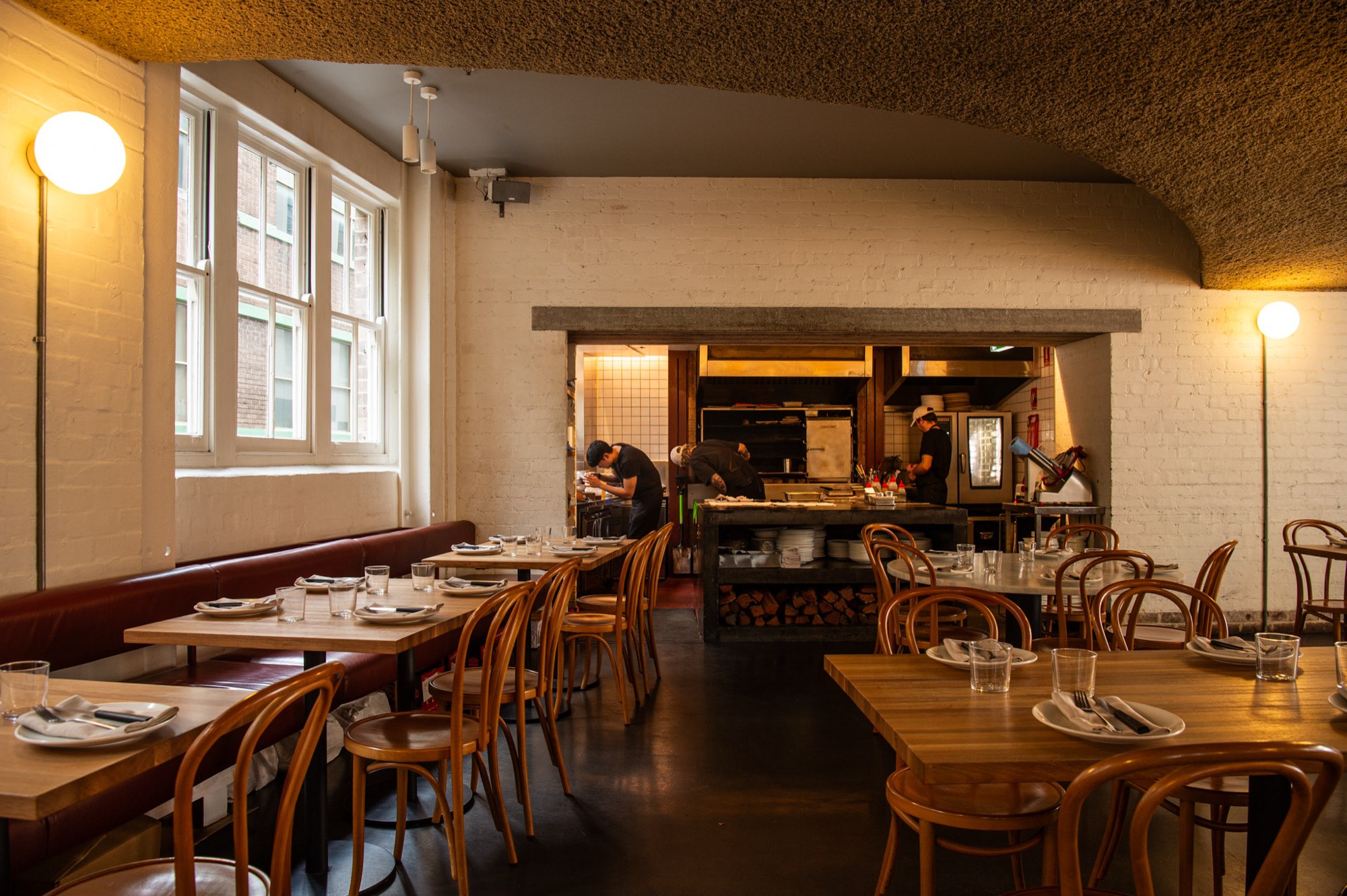
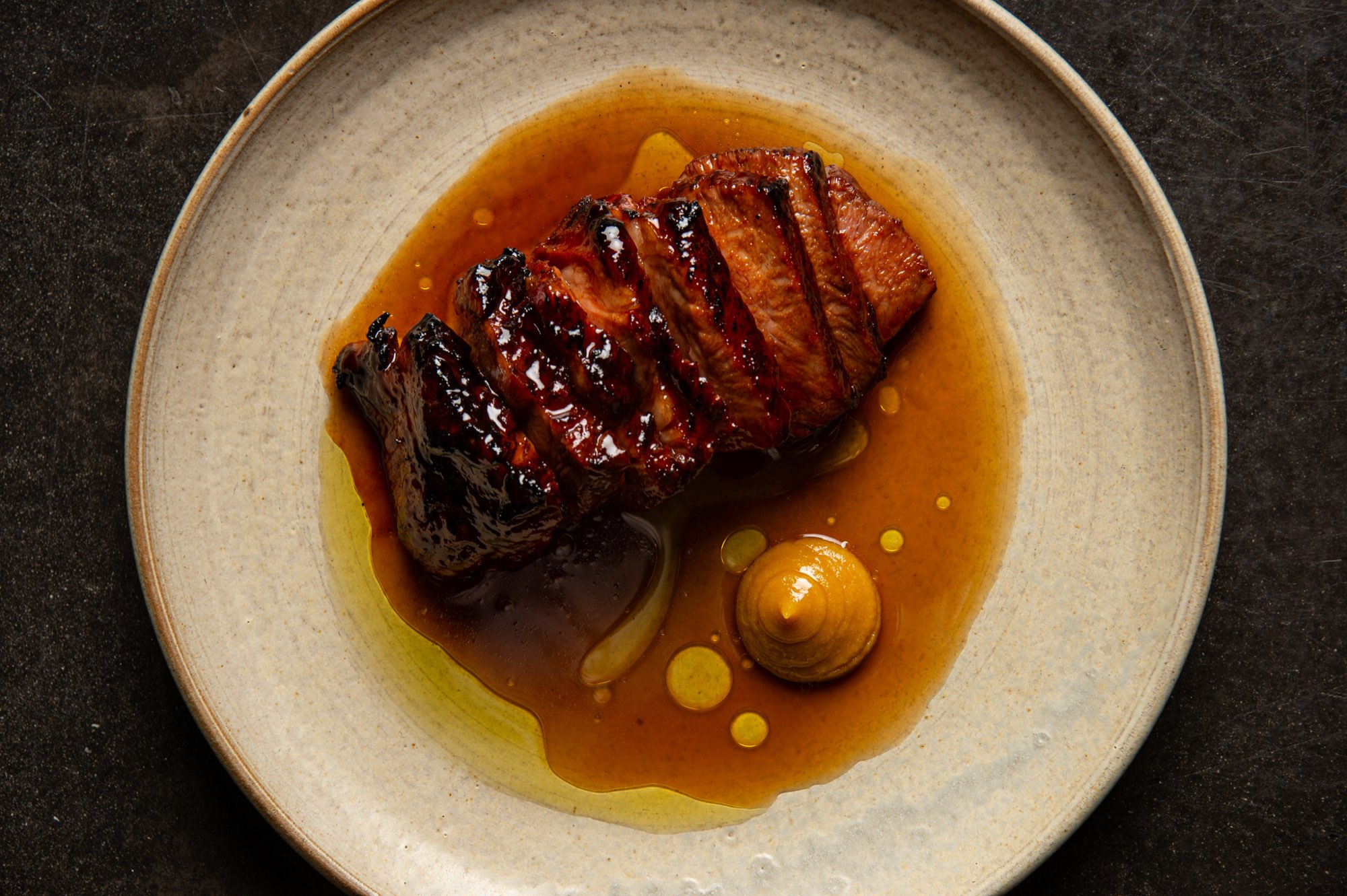
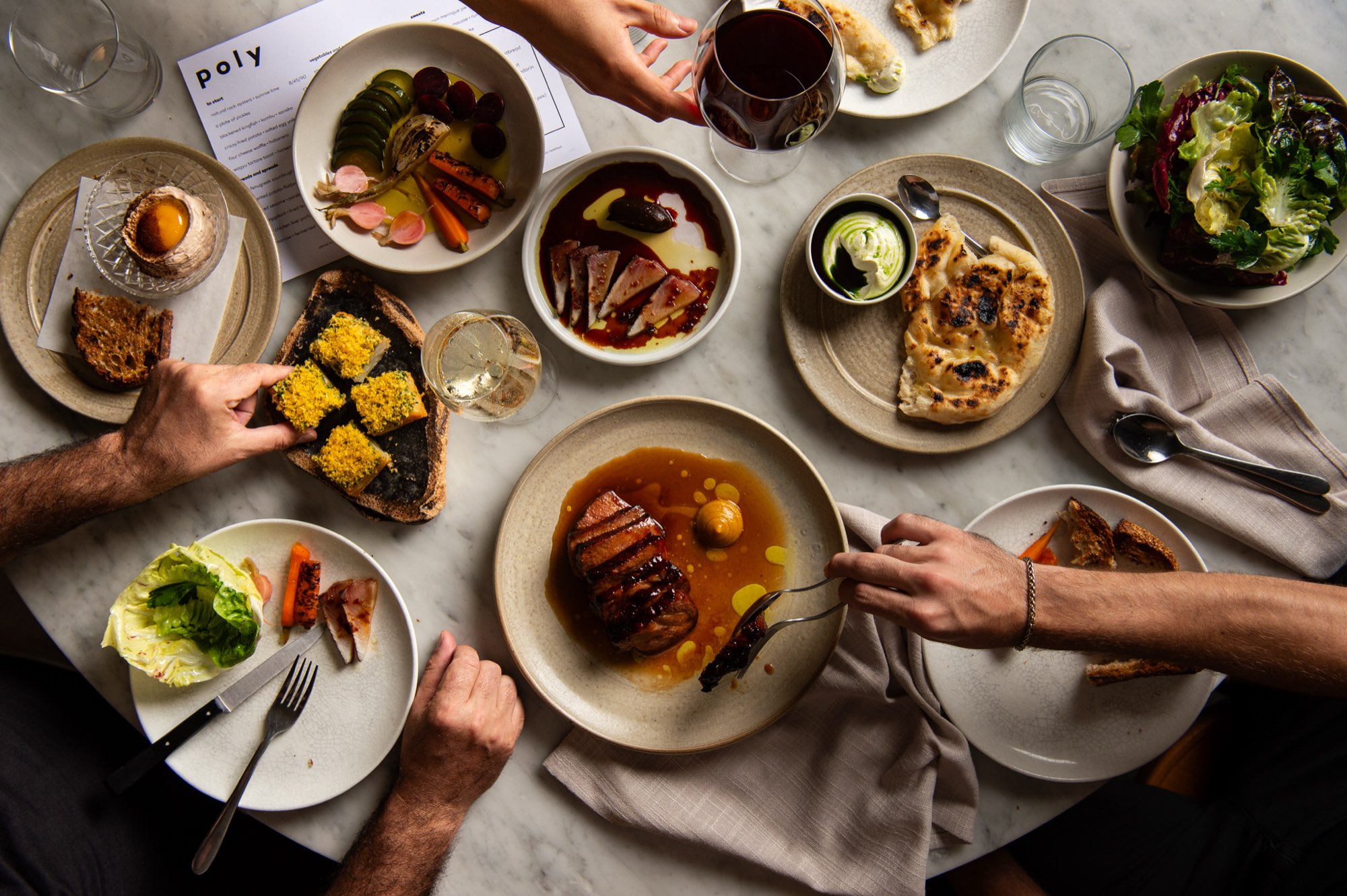
Poly is a place for sharing, so I shot it as one. The hero frame is the whole table from above, hands reaching in, plates mid-conversation. The single dishes went onto dark ground so the colour carries them.
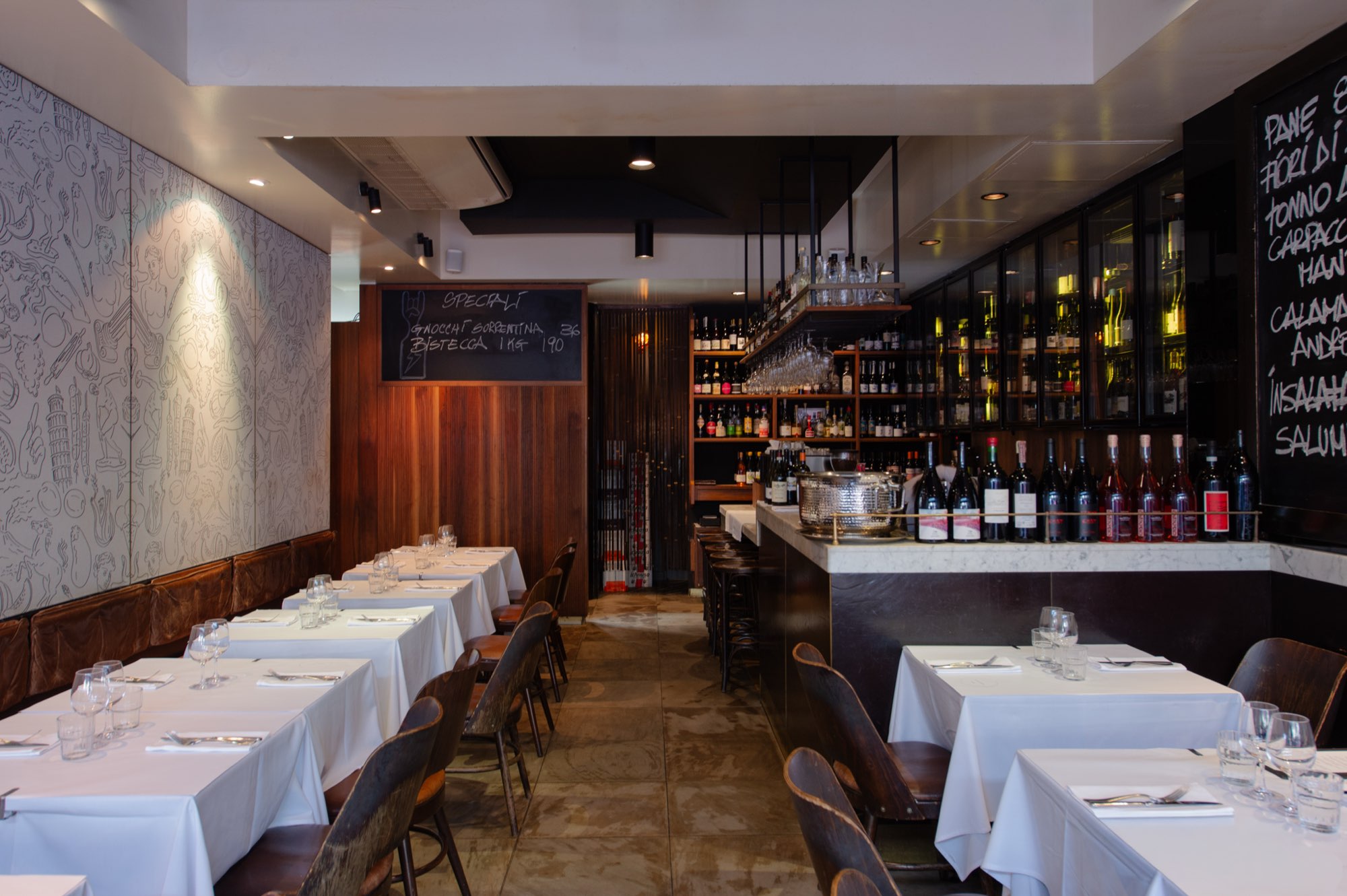
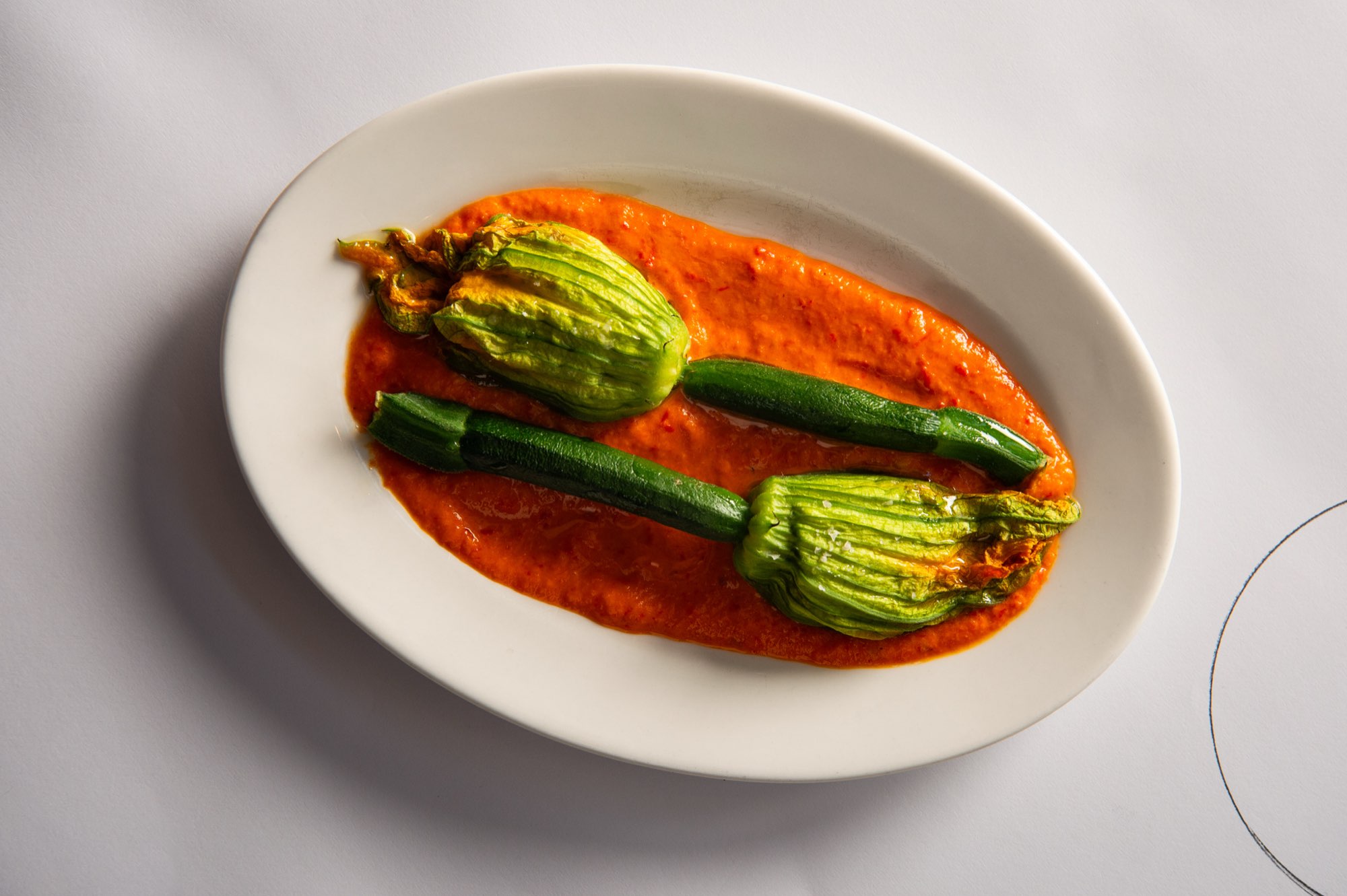
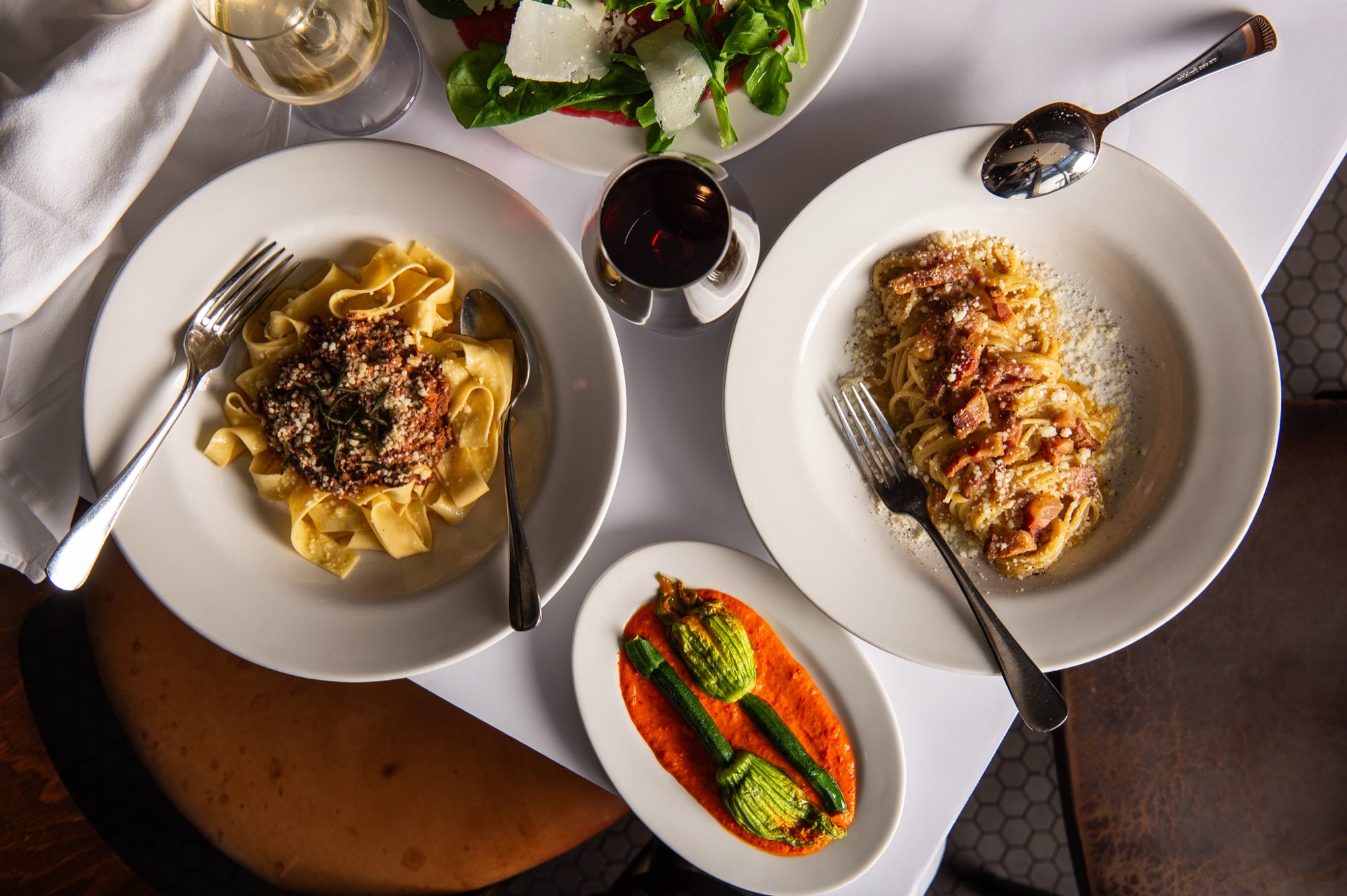
Fratelli Paradiso is white tablecloths and chalkboards, a room that doesn't need explaining. The plates got the same treatment as the linen: clean, bright, nothing in the way of the zucchini flowers.
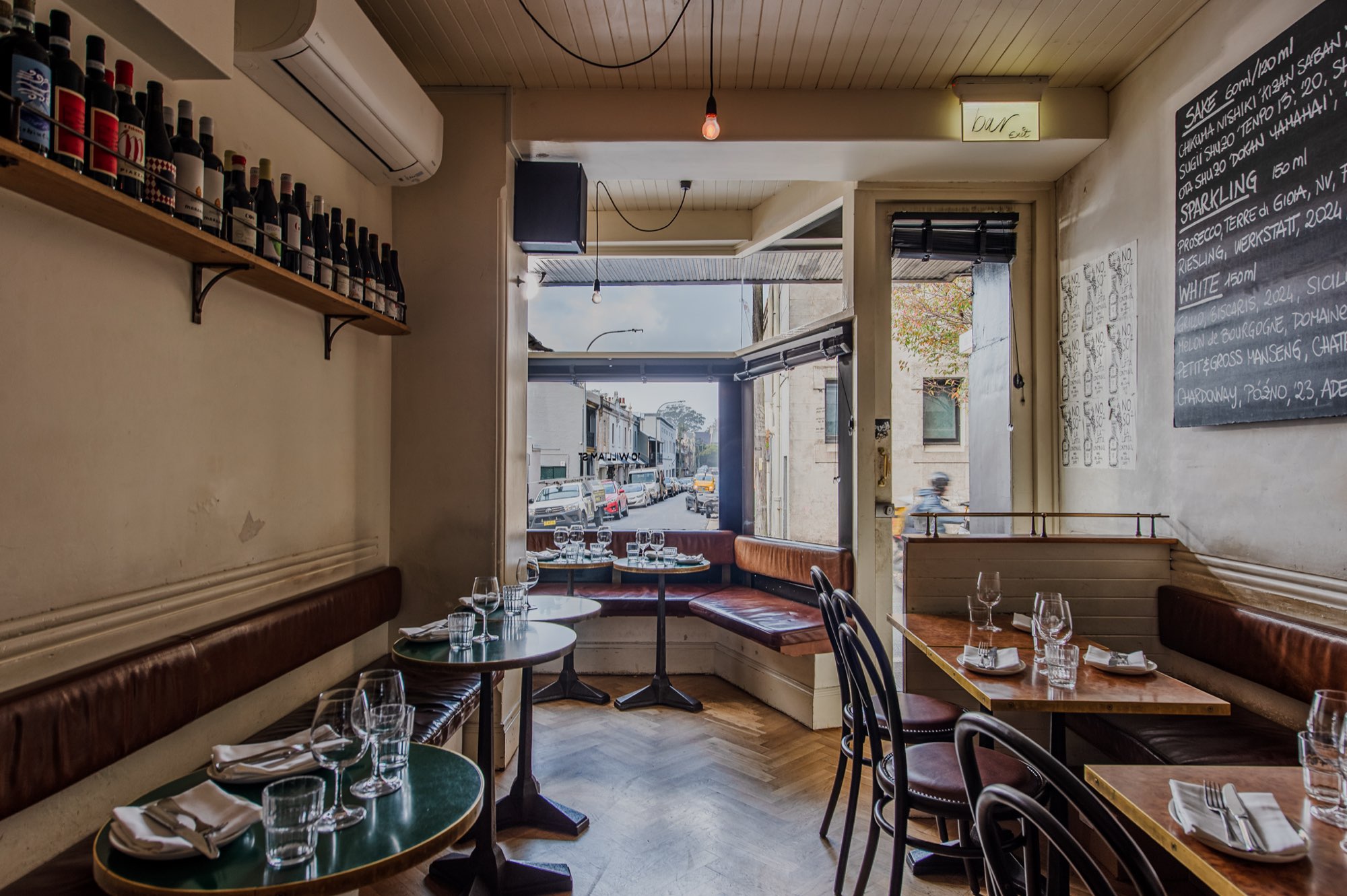
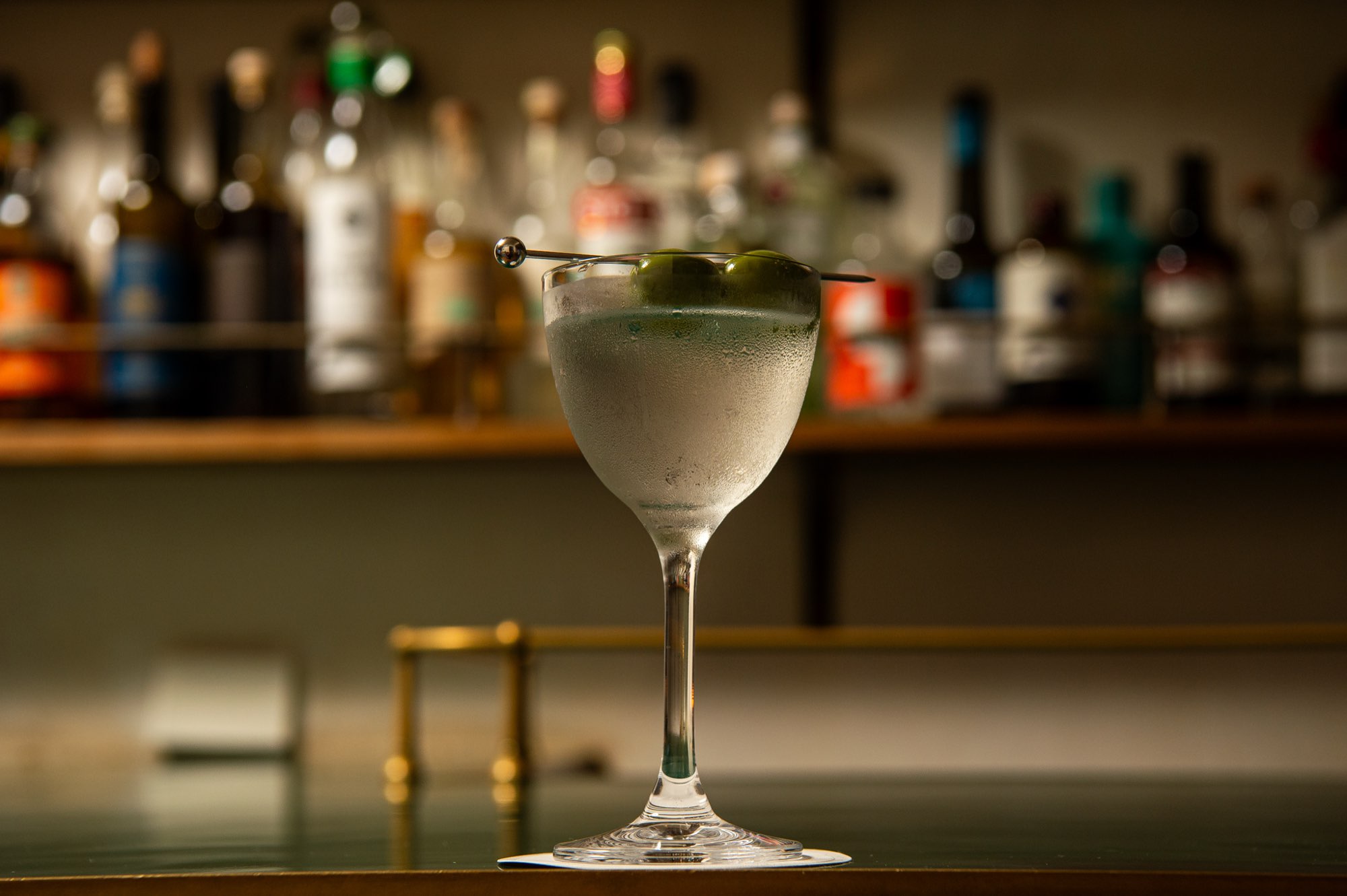
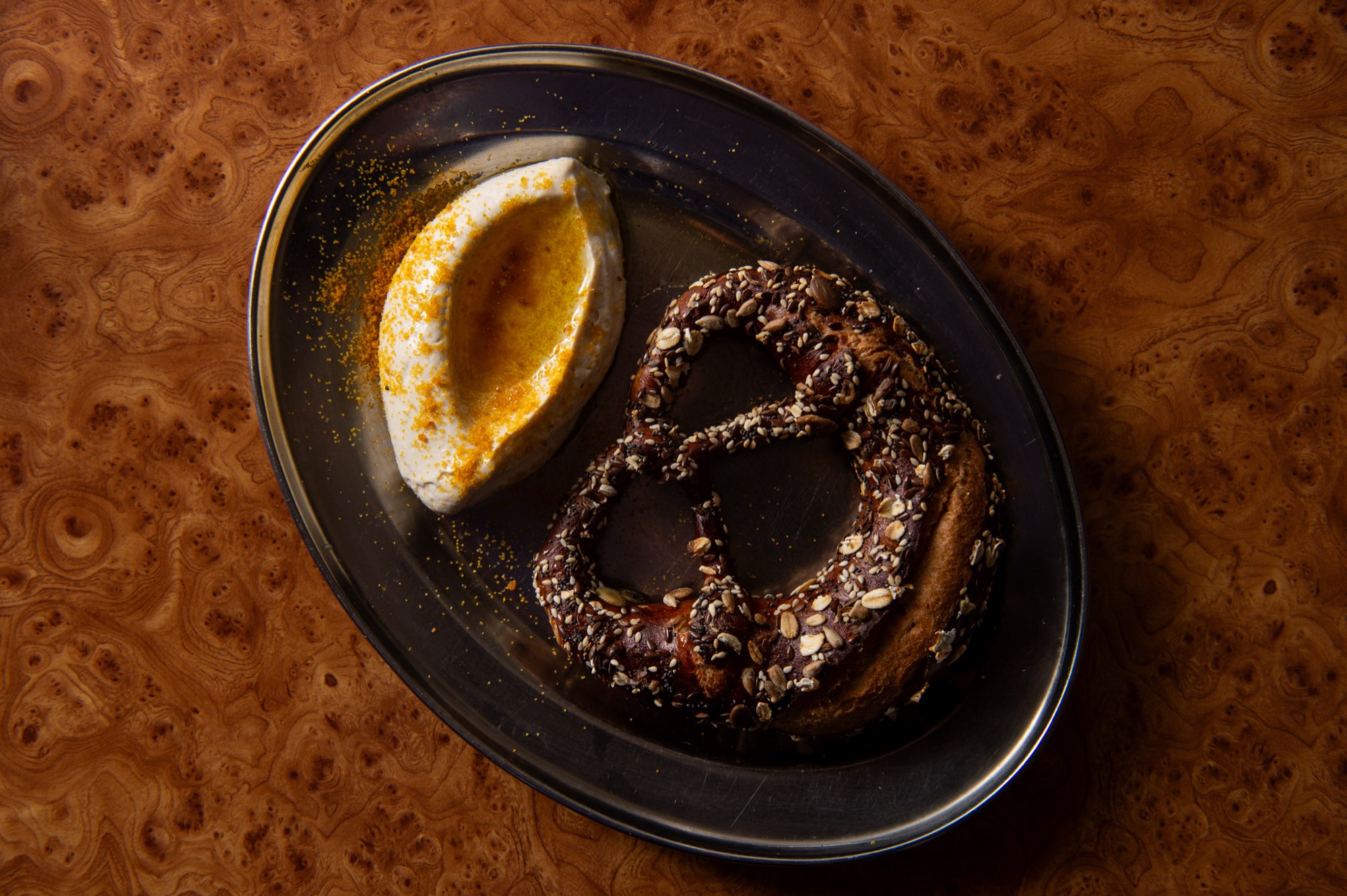
10 William Street is a small wine bar with the list written on the wall. That is the story, so the room looks out to the street and the martini sits on the bar in front of the bottles.
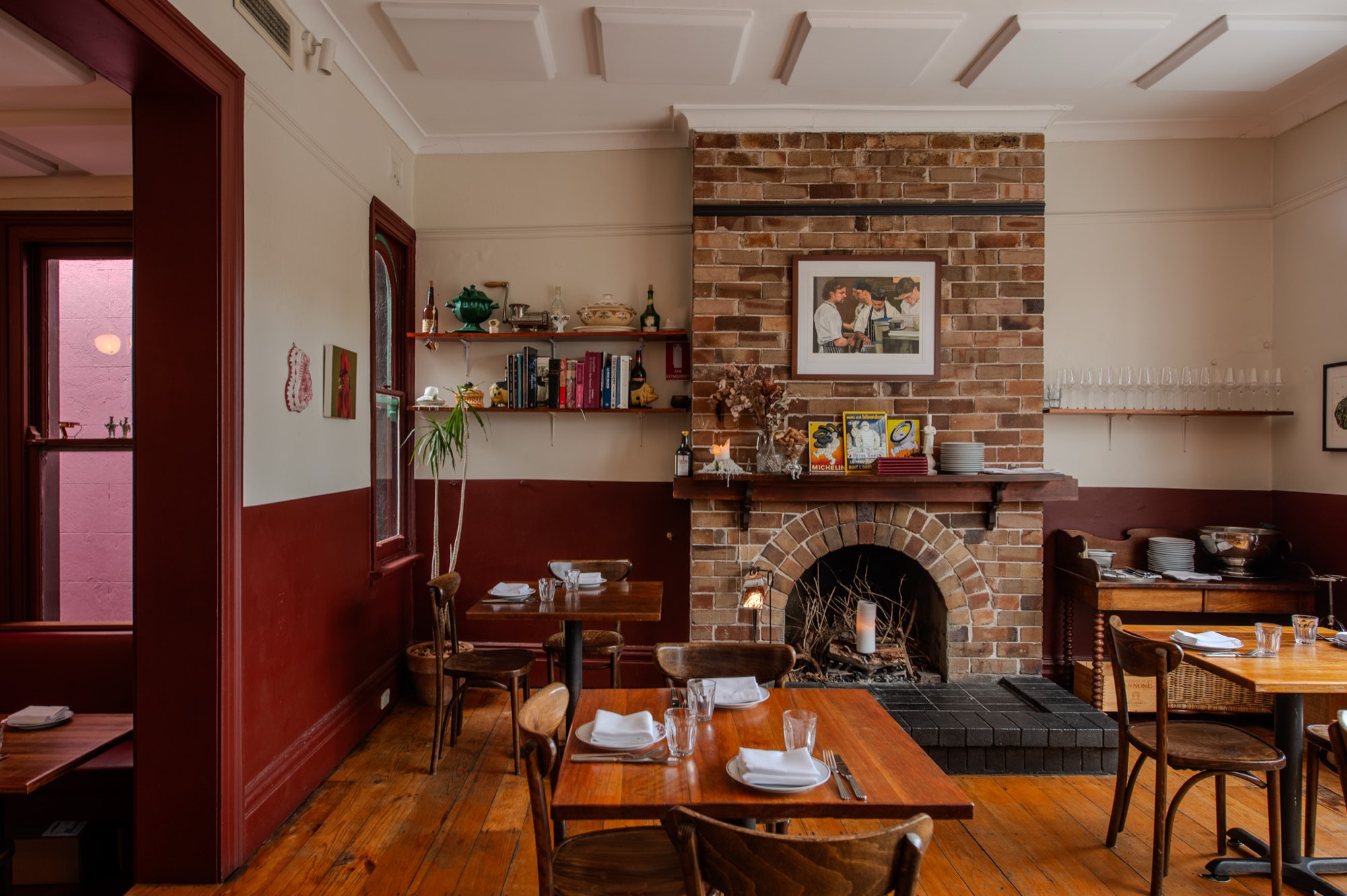
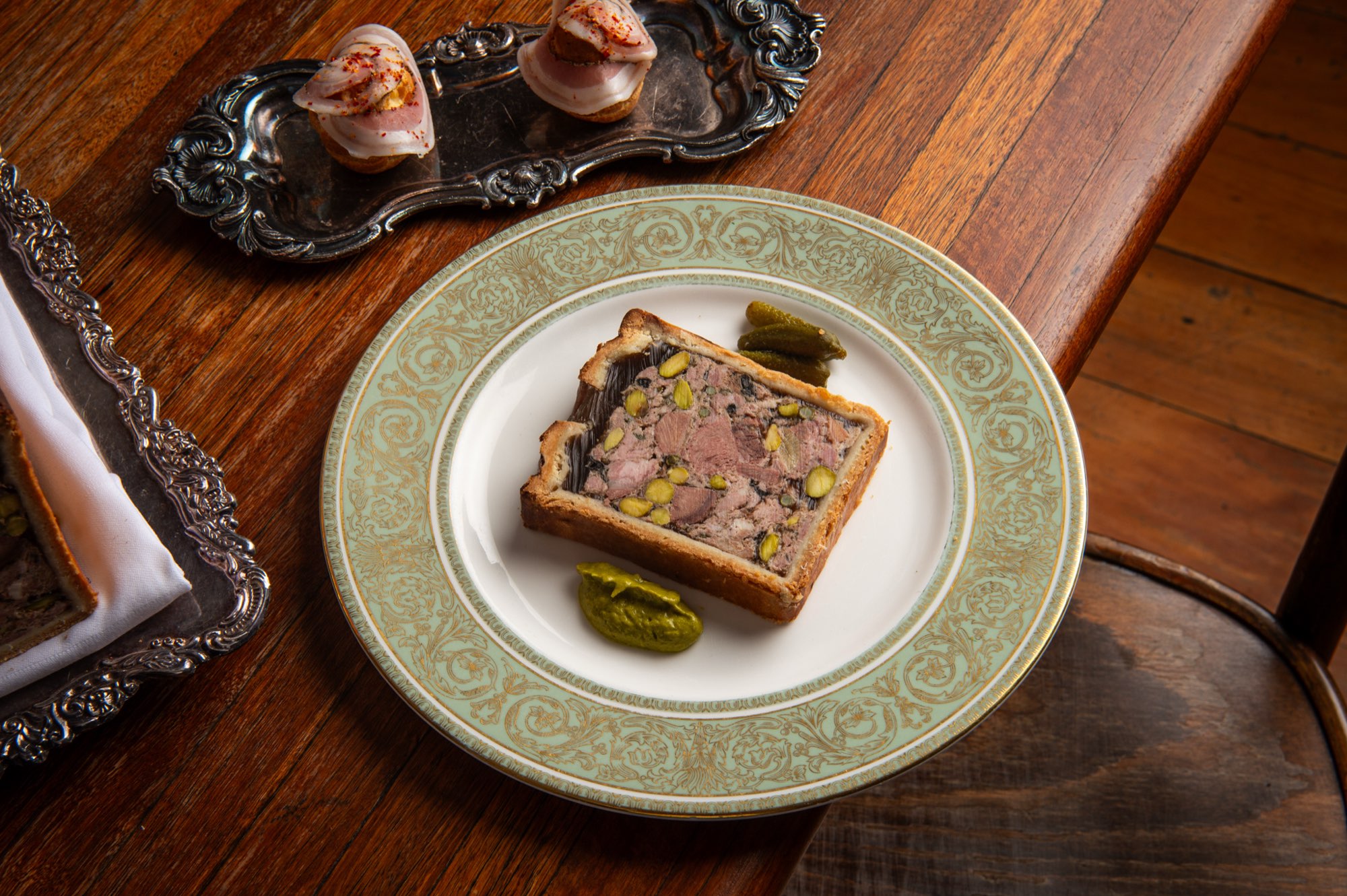
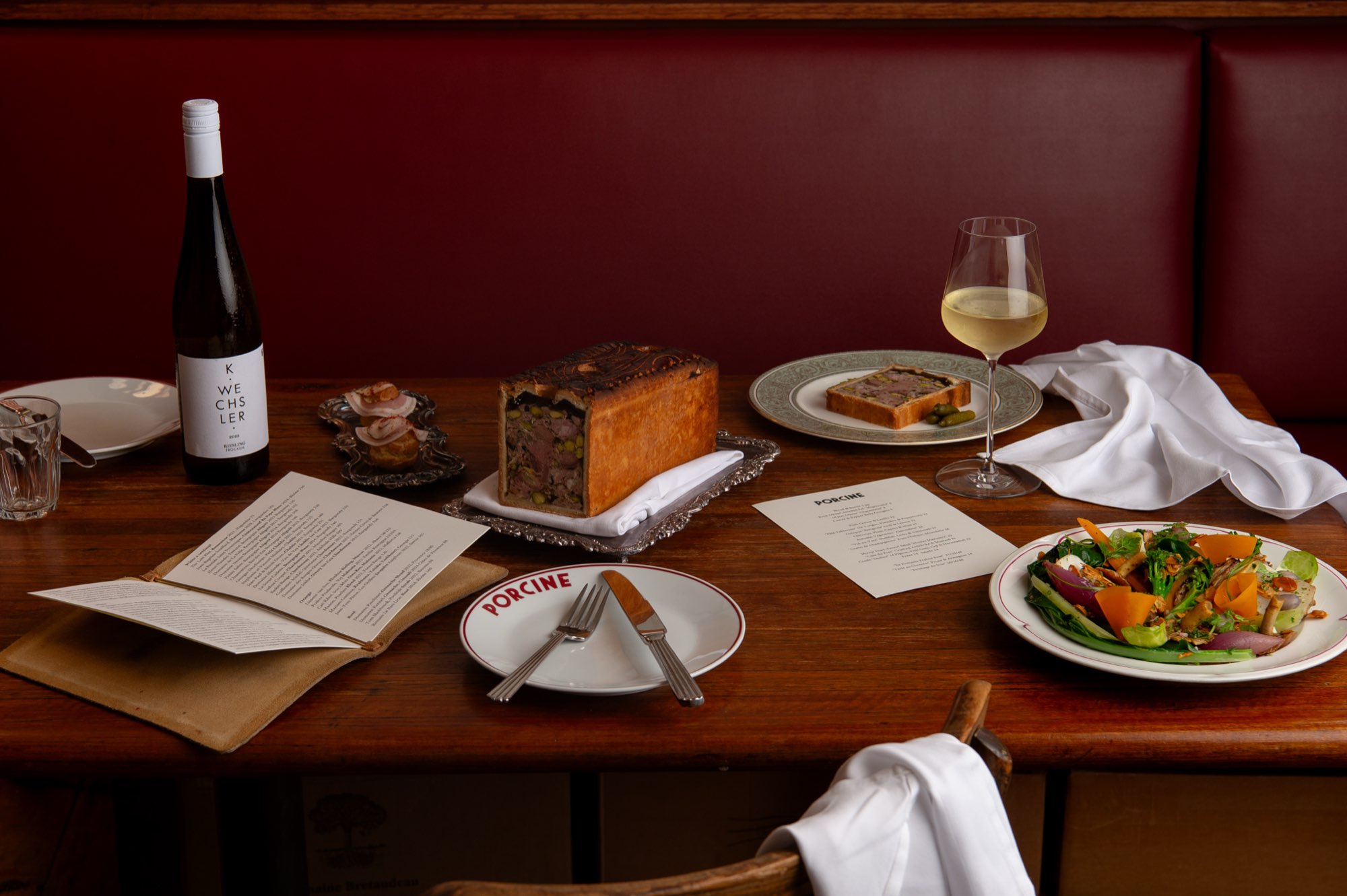
Porcine is heritage: a fireplace, red banquettes, terrine on old china. The frames stay warm and let the age of the room show.
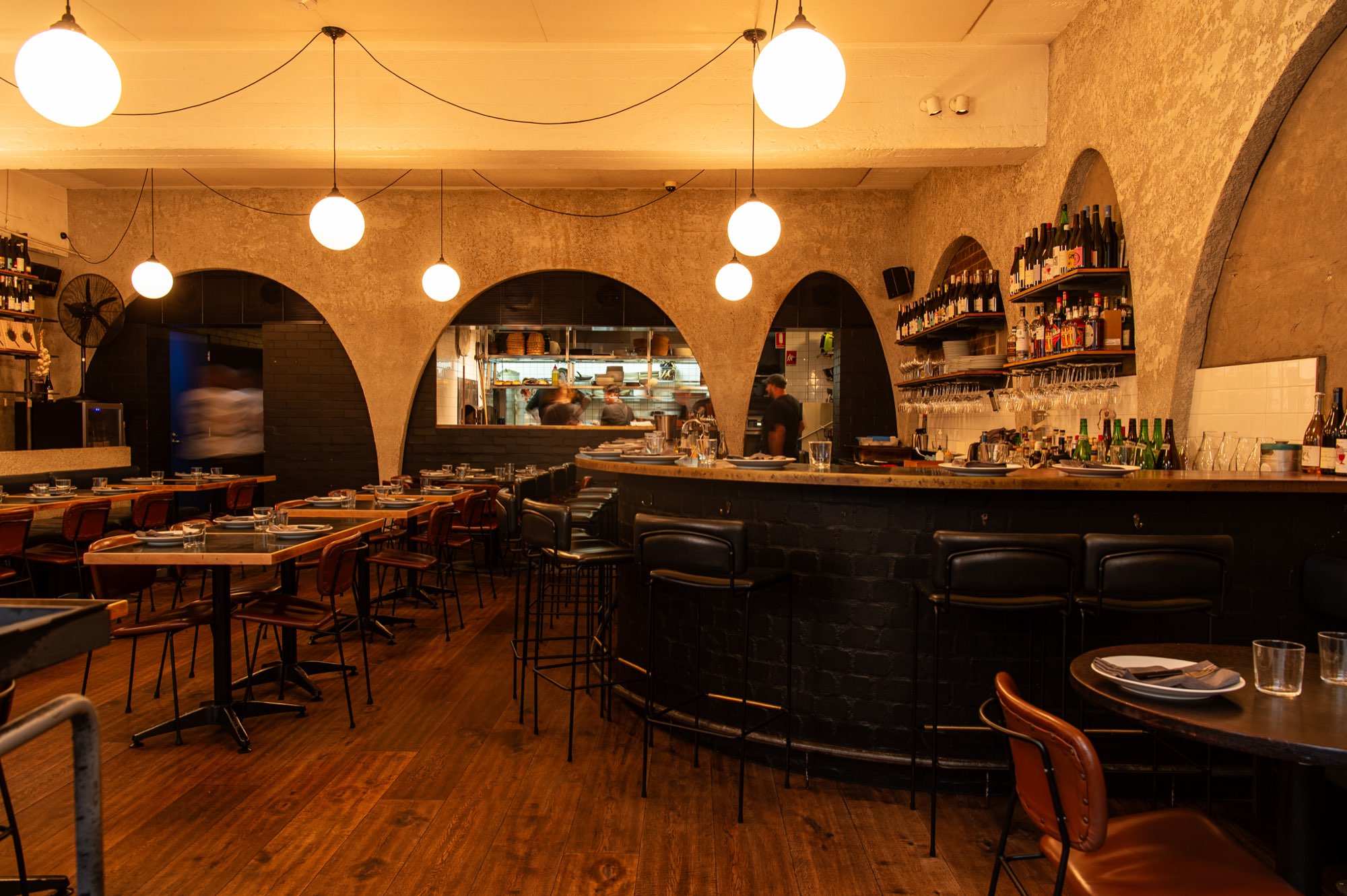
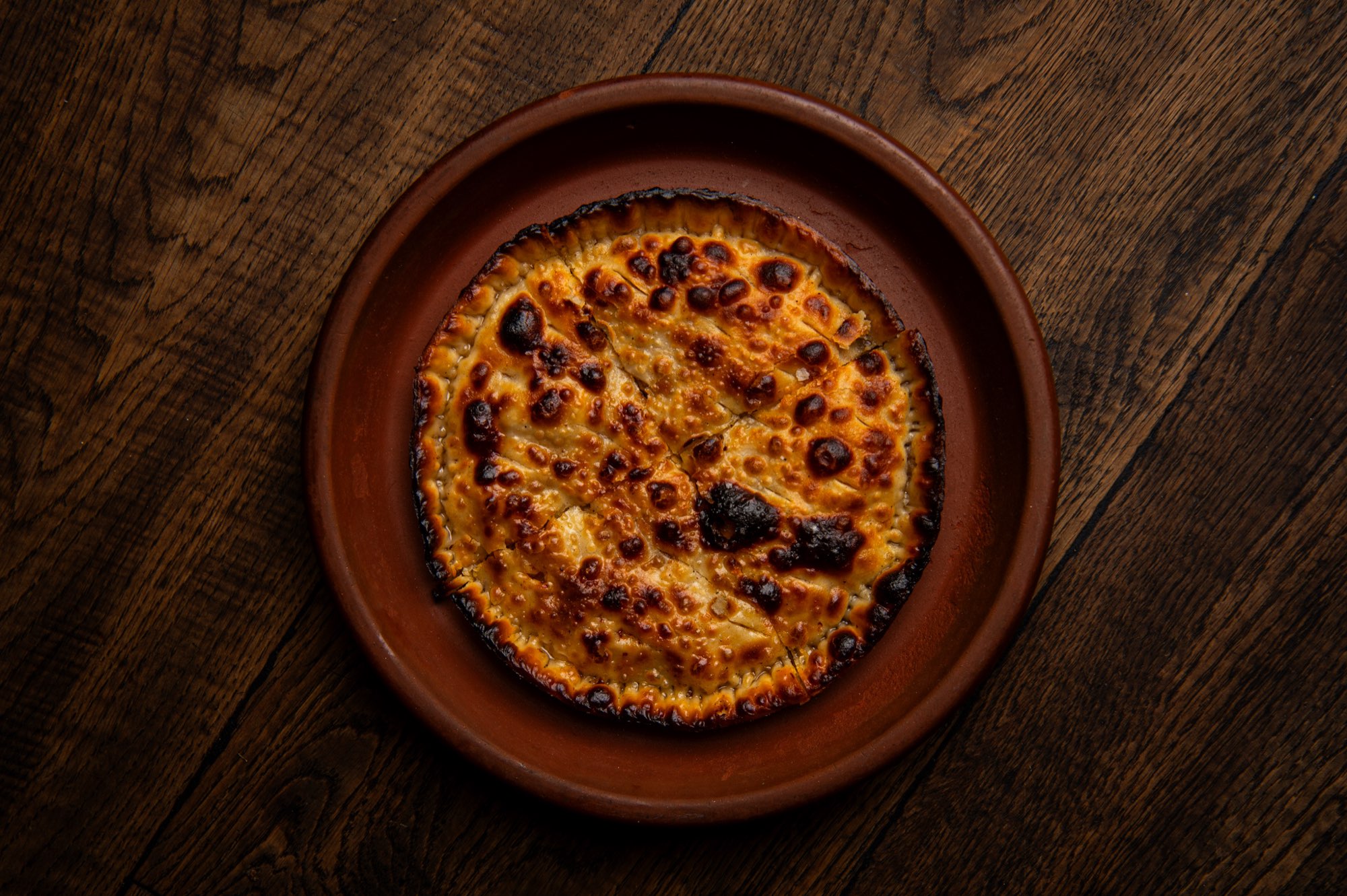
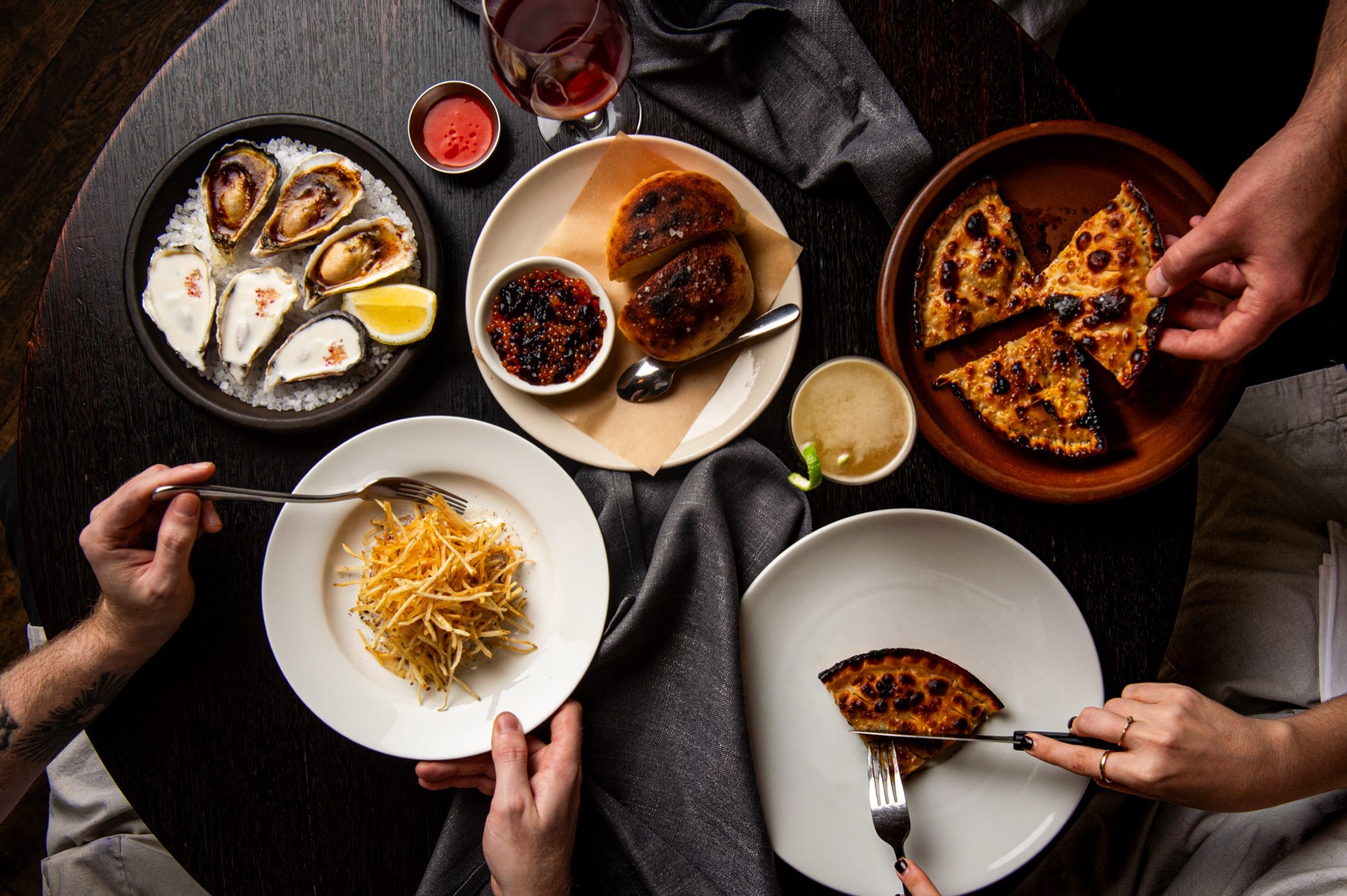
Ester is built around its wood-fired kitchen. The arches, the wine wall and the char on the food all point the same way, so the frames do too.
What actually changes
Moving between rooms that fast, the camera barely changes. The reading does. Every venue is selling something specific, and it is rarely just what is on the menu. Sometimes it is the room. Sometimes it is the ritual of a shared table. Sometimes it is a place that has been exactly itself for a long time. The job is to find that early and shoot to it for the rest of the session.
Lighting a plate is the easy part. Making five frames that could only belong to one restaurant is the work.
Planning something similar?
If you run a restaurant, a bar or a hospitality group in Sydney and need restaurant photography that looks the way the place feels, send me a line about the venue and what's coming up: dominic@dominicloneragan.com